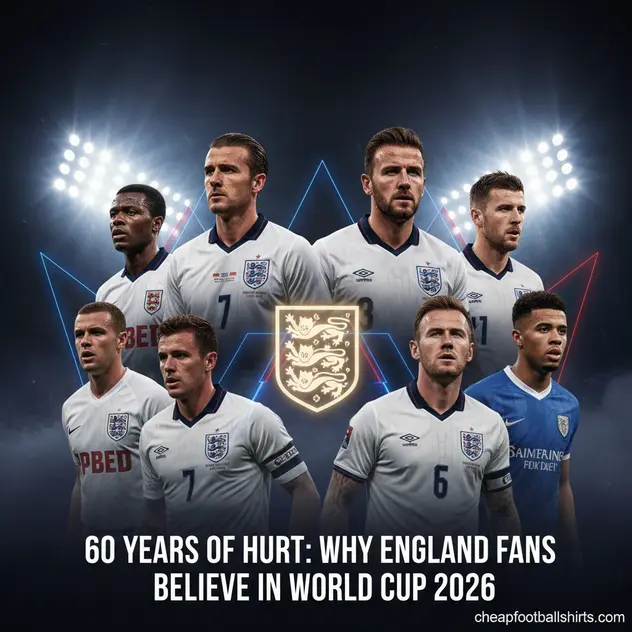
Sixty years have gone by since England last tasted World Cup glory in 1966, a memory both glorious and haunting. Every tournament since has been shrouded in hope, heartbreak, and endless debates in pubs and on social media. As we prepare for the 2026 World Cup, it feels different not just for the squad depth but the way belief has returned to the terraces and living rooms. Here’s why 2026 could finally end six decades of longing for England fans (and why the new England World cup football Kit 2026 means even more this time).
1966 Red: The Ghost That Won’t Let Go
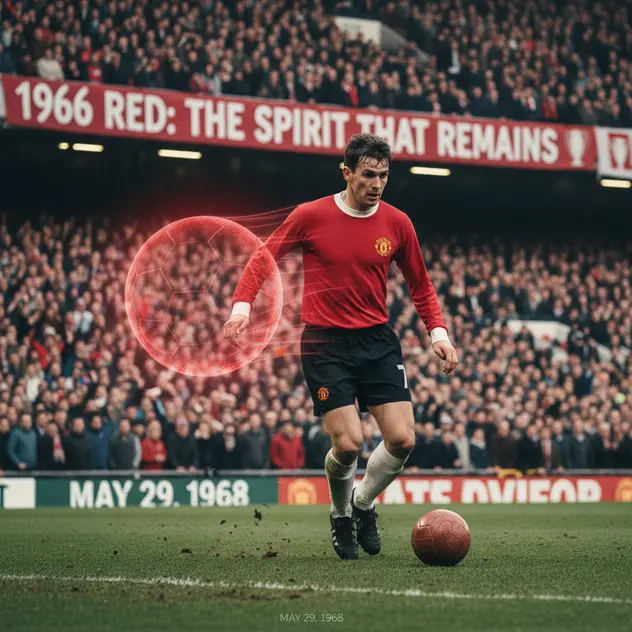
There’s something utterly mythical about that day at Wembley on July 30, 1966, when England, clad in their fiery red shirts, lifted the Jules Rimet trophy after defeating West Germany 4-2. It was Geoff Hurst’s hat-trick still the only in a World Cup final (per FIFA) that sealed our place in footballing history. Bobby Charlton’s drive and Martin Peters’ composure came to embody a nation that believed it was its birthright to bring football home. The red of that kit is woven into our national identity the color of defiance, hope, and, over the years, haunting longing.
But for all its glory, 1966 has become a heavy anchor. Every subsequent World Cup, we’re reminded of ‘that goal’, the phantom on the line, and the faces Nobby Stiles dancing, Bobby Moore hoisting the cup that mask the ache of 60 years of near misses. The cheap football shirts we wore in the playground or the pubs became more than fabric: they’re reminders of what we chase every four years. Each failure to emulate 1966 is another twist of the knife. Why can’t we do it again? Will we ever? It’s the question that keeps fans up at night, scanning statistics and watching old highlights on loop.
Paul Gascoigne: Tears, Near Misses, and the Agony of 1990
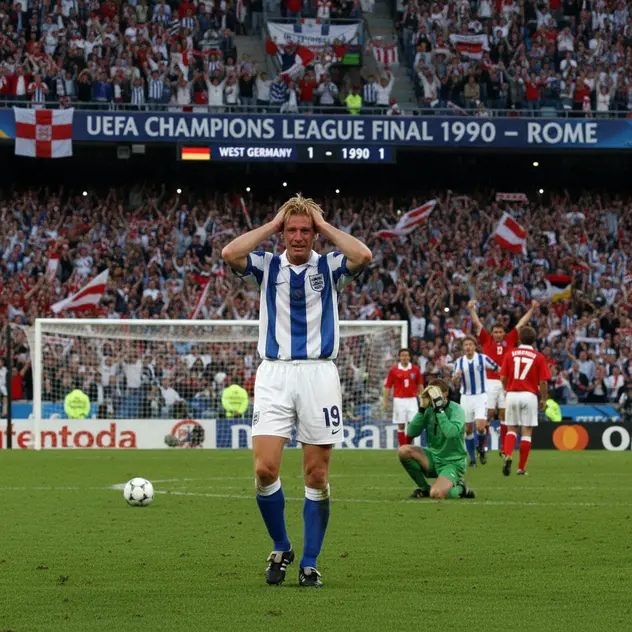
No England chapter is complete without the heartbreak of 1990, where Paul Gascoigne became the nation’s prodigal son in Italia ’90. His tears in Turin, after picking up a fateful yellow card in the semi-final against West Germany, captured the nation’s pain like nothing before. Gazza, with his untamed spirit and twinkle-toed brilliance, carved through oppositions and hearts alike his assist to Lineker against West Germany will never be forgotten. England went out on penalties (3-4), with Stuart Pearce and Chris Waddle missing, but the memories lingered; another shot at glory, gone. According to FIFA’s records, England finished 4th, but emotion tells a different story: we felt robbed, again.
Italia ’90 kickstarted a modern era of hope and agony. It was a World Cup that made cheap football shirts and face paint rituals for an entire generation. The echoes of Baddiel and Skinner’s ‘Three Lions’ ring out every tournament the refrain ’30 years of hurt’ growing to 60 and counting. Gascoigne’s tears became the symbol of English football’s fragile hope. In that tournament, the near-miss felt more personal than ever. Each semi-final defeat in the decades since feels like Gazza’s cry, reminding us of the fragility and cruelty that defines our obsession with the World Cup. This is why, when Southgate led us to the 2018 semi-final, it felt like healing an old wound but another near miss, as Croatia dashed dreams in Moscow (2-1, per UEFA), proved there are no easy answers.
Bukayo Saka: Redemption, Unity, and the Young Lions’ Promise
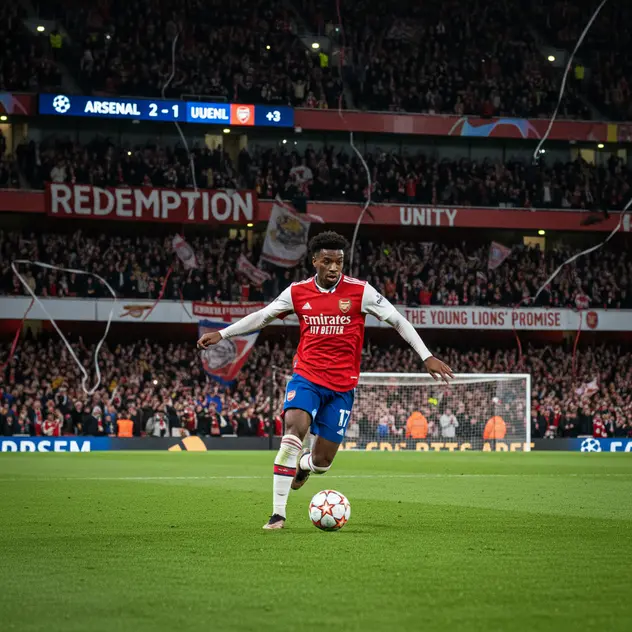
Bukayo Saka is the beating heart of a new England one that has taken the hardest lessons of history and channeled them into hope. Saka, who was just 19 when he bravely stepped up to take the decisive penalty in the EURO 2020 final (held in 2021), has become the symbol of resilience. That night, this young Lion faced not just the weight of history, but a nation’s heartbreak as his penalty was saved and Italy triumphed 3-2 (per UEFA). Saka’s courage in the face of such agonizing defeat brought the country together like never before. Social media erupted, not in anger, but in support an outpouring of unity that perhaps, finally, signified a chapter turning in our long story of hurt.
His form since then has been nothing short of remarkable: 20 goals and 14 assists for Arsenal in all competitions in the 2022-23 season (per Transfermarkt), and 11 goals for England in just 30 caps (as of June 2024, via FA). Alongside stars like Jude Bellingham, Phil Foden, and Harry Kane (already England’s all-time top scorer with 63 goals, per the FA), Saka is proof this squad is cut from different cloth. The buzz around the England World cup football Kit 2026 feels electric these shirts are about more than fashion; they embody a belief that, with players who cherish both the badge and the burden, 2026 could be the year generations of pain give way to joy. Saka and his teammates aren’t running from the past they’re using it as fuel for destiny.
The Euphoria to Come: What Winning Would Mean for England
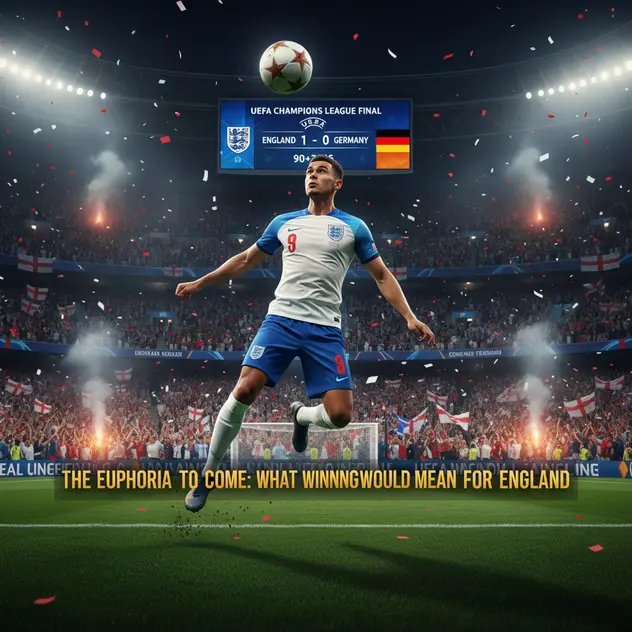
Imagine the pubs every pint glass raised and every cheap football shirt soaked in tears of jubilation. Picture Trafalgar Square erupting, not in muted resignation but wild delight; the country’s social media a sea of red, white, and blue. When England last lifted the World Cup, the world was black and white now every phone, every screen would broadcast unfiltered joy. It isn’t about tactics or stats in those moments; it’s about the sound of ‘Three Lions’ blaring out, families hugging in living rooms, streets filled with cheering strangers. No trains running on time the next day because half the country has stayed up all night.
We’ve lived through too many ‘next years’ the hurt bonded generations. If the England World cup football Kit 2026 is raised in victory skyward, every ounce of disappointment will feel worth it. The players, legends new and old, will be sung about in pubs from London to Leeds. Saka’s redemption, Kane’s leadership, the resilience born from Gascoigne’s tears and the weight of 1966 the stories would no longer be about coming close, but about bringing football home, definitively, gloriously, at last.
Conclusion
These legendary players have made their mark on football history. Their iconic performances continue to inspire fans worldwide. Discover our collection of quality replica jerseys and wear the legacy of your favorite legends.